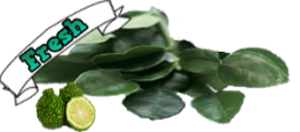
Kaffir Lime Leaves

Kaffir lime leaves

The makrut or kaffir lime leaf is a native of southeast Asia countries.  The kaffir lime leaves are also popular in Indonesian cuisine,Thai cuisine (for dishes such as tom yum), Cambodian cuisine, Burmese cuisine, Laos cuisine, and Malay cuisine.  The scientific name for the fruit is Citrus hystrix or Citrus amblycarpa. Hystrix, the Greek word for porcupine, refers to the thorns that cover the tree. Amblycarpa means “leprous” and refers to the wrinkly, rough rind of the fruit. With a distinct nipple on the stem, the fruit is dark green round.  When the fruit becomes older, its color is lighter, yellowish green.  There is not much bitter juice in the fruit, and is not used in cooking, although it is considered a good hair tonic by the locals.  Kaffir lime is also used as cleaner, cleanser, and natural deodorizer.kaffir lime leaves


Kaffir lime shampoo leaves the hair squeaky clean. Kaffir lime has also been used for many years to remove tough stains.  In folk medicine, the juice of Kaffir lime is used to promote gum health and used in brushing teeth. Because its strong flavor, the rind should be used sparingly, grated or chopped finely and reduced in a mortar with other paste ingredients until indistinguishable.  The rind is also an ingredient that is good for the blood and the digestive system. The essential oils in the fruit are used to produce various ointments.

Zest is a good sub, but the longer it is cooked the more bitter it gets, unlike a leaf. Quickly cooking with the zest is just releasing the essential oils in the skin, after that it can go down hill quickly.  This beautiful scent is like a unique perfumed room freshener.

In contrast to the lime, it is the leaf of the tree, and not its fruit that is prized by cooks for the distinctive lime-lemon aroma and flavor in making Thai dishes.   The leaves retain more of the “essence”. The zest is an important ingredient in red curry paste. Both the leaves and the zest contain a form of citronella. No other type of citrus leaves can replace Kaffir lime leaves. Due to their special and irreplaceable flavor, it  is so important that anyone following a Thai recipe should take the time to find and use them.

The attractive jade-green Kaffir lime leaves resemble a figure eight. Size can vary from less than an inch to several inches long, but the average individual leaf is approx 2″ long. The Kaffir lime leaves tend to be expensive because harvesting is done by hand and its long thorns at branches. They are easily found at the oriental market, not in the supermarkets.

Preparation

To store Kaffir leaves, place them in an airtight container or zip lock bag; refrigerate two to three weeks. Freezing is best for preserving flavor.

Availability

Powdered kaffir limes leaves, dried leaves, and fresh leaves can be found in today’s specialty markets.  Kaffir fruits are hardly found at the oriental store due to low demand.

Applications

The application of kaffir leaf is the same as a Bay leaf: Added whole during cooking and then removed before serving.  Bruise the Kaffir leaves before adding to the pot to allow their full essence to get out. The leaves should be thinly slivered before using in some dishes as an edible garnish. You can substitute with several dried If a recipe calls for one fresh leaf. In authentic Thai cooking, Kaffir lime leaves are used to flavor curries, stews, fish cakes, casseroles, noodle dishes and soups.

Note:

Most recipes would mostly call for, “Lime leaves” instead of ,’Kaffir lime leaves‘.  They are used interchangeably.  Do not be surprised!